
Introduction
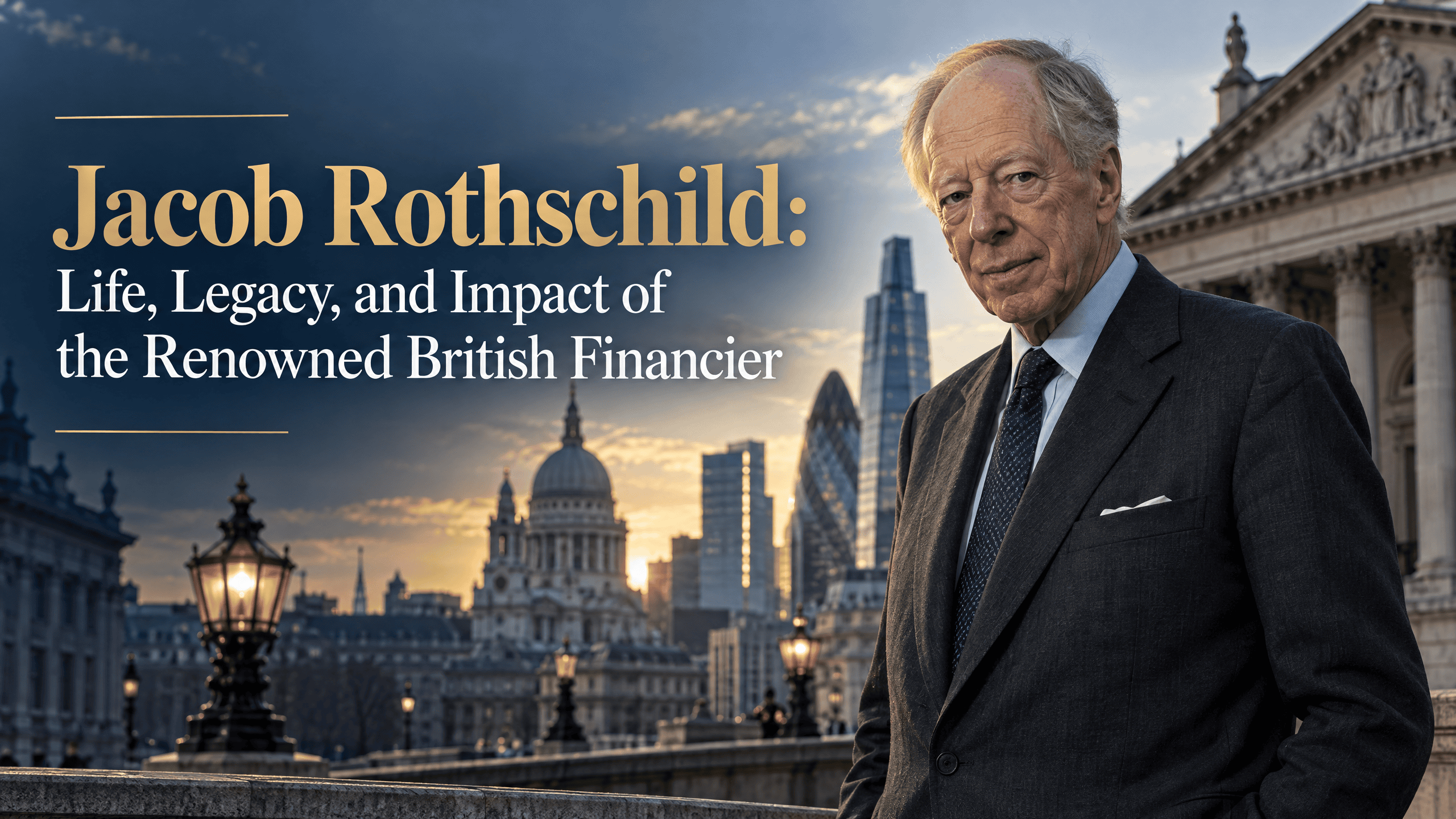
Jacob Rothschild, a towering figure in British finance and a member of the renowned Rothschild banking dynasty, passed away on February 26, 2024, at the age of 87. His death marked the end of an era for one of Europe’s most influential financial families, prompting tributes from political and cultural leaders worldwide. For decades, Jacob Rothschild was a central figure in global finance, known not only for his business acumen but also for his extensive philanthropy and support for the arts. This article explores his life, career, wealth, and the enduring legacy of the Rothschild name.
Key Facts About Jacob Rothschild
| Attribute | Details |
|---|---|
| Full Name | Nathaniel Charles Jacob Rothschild, 4th Baron Rothschild |
| Born | April 29, 1936, in Berkshire, England |
| Died | February 26, 2024, at age 87 |
| Education | Eton College; Christ Church, Oxford (First in History) |
| Title | 4th Baron Rothschild |
| Net Worth | Estimated at $5 billion (personal) |
| Family Fortune | Estimated at £825 million (Sunday Times Rich List) |
| Key Roles | Founder of RIT Capital Partners; Co-founder of St. James’s Place |
| Spouse | Serena Rothschild (married 50+ years, died 2019) |
| Children | Hannah, Beth, Emily, and Nat |
Early Life and Education
Jacob Rothschild was born in Berkshire, west of London, in 1936. As the eldest son of Victor Rothschild, 3rd Baron Rothschild, he was heir to the family title and a prominent place within the Rothschild banking dynasty. He was educated at Eton College and later studied history at Christ Church, Oxford, where he earned a First, the highest academic achievement, under the tutelage of historian Hugh Trevor-Roper. His early life was marked by the shadow of the family’s storied history; the Rothschild banking family traces its roots back to 18th-century Frankfurt, from where family members spread across Europe to establish banking businesses.
Career: From Family Bank to Independent Empire
Joining and Leaving the Family Bank
Jacob Rothschild began his career at the family bank, N M Rothschild & Sons, in 1963. He quickly made his mark, founding the bank’s mergers and acquisitions department and helping to engineer several high-profile deals. However, in 1980, he left the bank following a dispute with his cousin, Sir Evelyn de Rothschild. This departure marked a turning point, as he set out to build his own financial empire independent of the family institution.
Building an Independent Financial Empire
After leaving the family bank, Rothschild took control of the Rothschild Investment Trust, which he evolved into RIT Capital Partners. He served as chairman of the firm, one of the largest investment trusts on the London Stock Exchange, until 2019. Under his leadership, RIT Capital Partners grew substantially, becoming a cornerstone of his financial legacy. In 1980, he also co-founded the J Rothschild Assurance Group with Sir Mark Weinberg, which later became St. James’s Place, a leading UK wealth management firm.
Other Business Ventures and Roles
Rothschild’s business interests extended beyond his own firms. He served as deputy chairman of BSkyB Television from 2003 to 2008 and was a director of RHJ International. He was also a member of the International Advisory Board of The Blackstone Group and a member of the Council for the Duchy of Cornwall for the then-Prince of Wales. His investment activities ranged from real estate in India to stakes in Russian oil companies, demonstrating a broad and diverse portfolio.
Philanthropy and Patronage of the Arts
Jacob Rothschild was as well-known for his philanthropy as for his financial career. He held leadership roles at some of Britain’s most prestigious cultural institutions. He was chairman of the board of trustees at London’s National Gallery and chair of the National Lottery Heritage Fund. He was also a dedicated patron of the arts, known for his collecting philosophy that spanned Old Masters and contemporary pieces.
He led the restoration of Waddesdon Manor, the family’s 19th-century chateau in Buckinghamshire, which is managed by the Rothschild Foundation. His philanthropic efforts also extended to Israel, where he supported charitable causes and Jewish culture. His family stated that he was “a passionate supporter of charitable causes in Israel and Jewish culture, a keen environmentalist”.
Family Dynasty and Personal Life
The Rothschild family is one of the most famous banking dynasties in history, with a lineage that has influenced European finance for over two centuries. Jacob Rothschild was married to Serena Rothschild for more than 50 years until her death in 2019. Together they had four children: Hannah, Beth, Emily, and Nat. His daughter, Hannah Rothschild, succeeded him as chair of the Rothschild Foundation, which manages Waddesdon Manor.
Death and Tributes
Jacob Rothschild died on February 26, 2024, at the age of 87. His family announced his passing with a statement describing him as “a towering presence in many people’s lives, a superbly accomplished financier, a champion of the arts and culture, a devoted public servant, a passionate supporter of charitable causes in Israel and Jewish culture, a keen environmentalist and much-loved friend, father and grandfather”. He was buried in accordance with Jewish custom in a small family ceremony.
Former British Prime Minister Tony Blair paid tribute, calling Rothschild a “towering figure in Britain’s Jewish community” and praising his “tireless work to advance peace in the Middle East”. The National Gallery also expressed its sadness, noting that Rothschild was a “businessman, entrepreneur, philanthropist and cultural leader”.
Timeline of Jacob Rothschild’s Life
| Year | Event |
|---|---|
| 1936 | Born in Berkshire, England |
| 1950s | Educated at Eton College and Christ Church, Oxford |
| 1963 | Joined the family bank, N M Rothschild & Sons |
| 1971 | Founded the Rothschild Investment Trust (now RIT Capital Partners) |
| 1980 | Left N M Rothschild & Sons; co-founded J Rothschild Assurance Group |
| 1985–1991 | Served as chairman of the National Gallery |
| 1988 | RIT Capital Partners listed on the London Stock Exchange |
| 1991 | J Rothschild Assurance Group became St. James’s Place |
| 2002 | Awarded the Order of Merit by Queen Elizabeth II |
| 2003–2008 | Deputy chairman of BSkyB Television |
| 2019 | Retired as chairman of RIT Capital Partners |
| 2024 | Died on February 26 at the age of 87 |
Jacob Rothschild and Conspiracy Theories
The death of Jacob Rothschild led to a resurgence of misinformation and antisemitic conspiracy theories about the Rothschild family. False claims have circulated for decades, alleging that the family controls the global financial system, central banks, and world events. These theories have deep antisemitic roots dating back to the 19th century. Fact-checking organizations, including AFP and Politifact, have repeatedly debunked such claims, stating that there is no evidence to support the idea that the Rothschild family controls the global financial system.
A fabricated quote attributed to Jacob Rothschild, supposedly confessing to a global domination plan, was also circulated online. This quote was confirmed to be false, first fabricated by a Canadian conspiracy author. It is important to distinguish verified facts from baseless speculation, especially when discussing prominent figures and their families.
Expert Insights on Jacob Rothschild’s Legacy
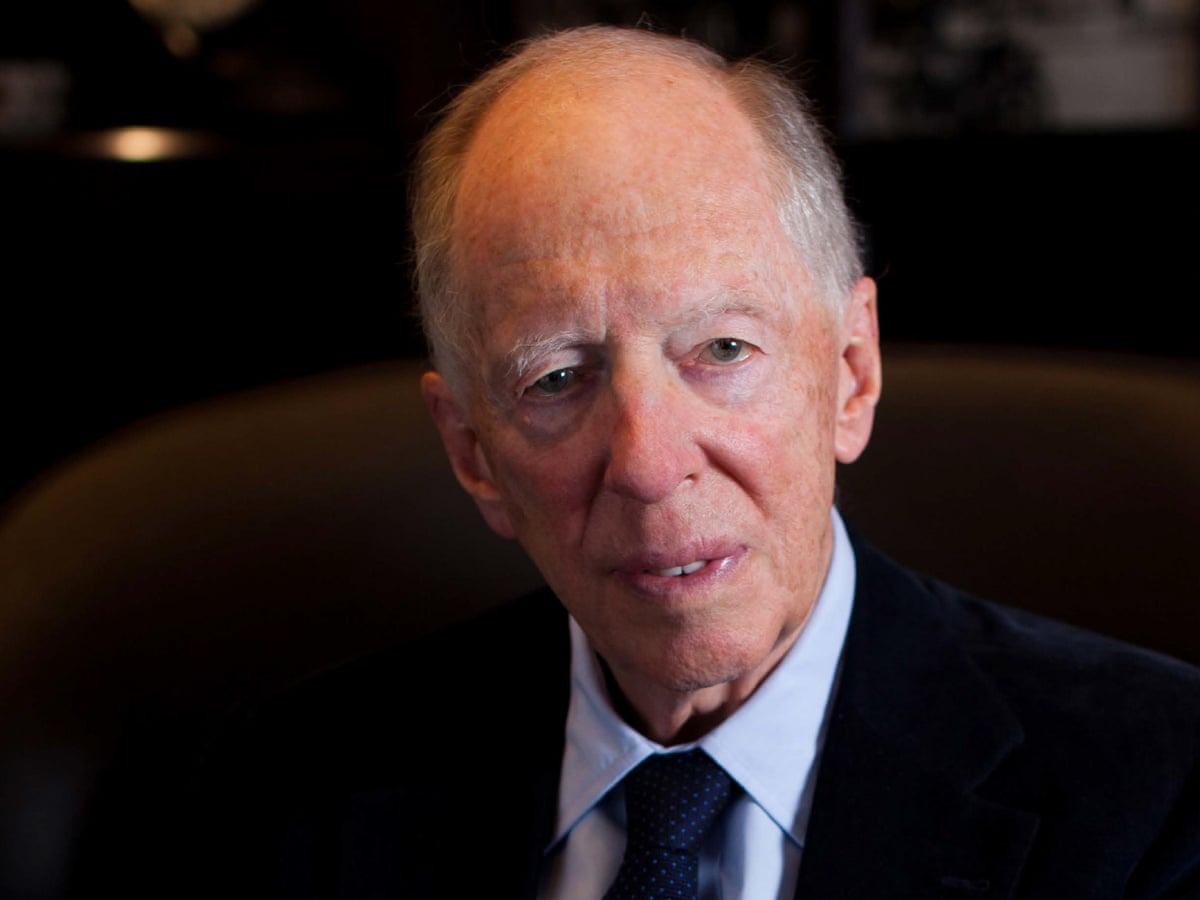
Jacob Rothschild’s legacy is multifaceted. From an industry perspective, he is remembered as a visionary financier who was unafraid to forge his own path, even when it meant leaving the family institution to build something new. His creation of RIT Capital Partners and co-founding of St. James’s Place demonstrated his entrepreneurial spirit and his ability to identify and capitalize on emerging trends in wealth management.
His philanthropic work, particularly in the arts and heritage sector, left a lasting mark on British cultural life. The restoration of Waddesdon Manor and his leadership at the National Gallery and the National Lottery Heritage Fund ensured that future generations would have access to cultural treasures. His support for Jewish causes and Israel reflected a deep personal commitment to his heritage.
For those studying business and finance, Jacob Rothschild’s career offers valuable lessons in resilience, independence, and the importance of diversifying interests beyond one’s core business.
Read More: Jessica Alba Ethnicity: Her Mexican, Danish, and French Ancestry Ultimately Explained
Frequently Asked Questions
Who was Jacob Rothschild?
Jacob Rothschild was a British financier, philanthropist, and a member of the Rothschild banking dynasty. He was the 4th Baron Rothschild and founded RIT Capital Partners and co-founded St. James’s Place.
What was Jacob Rothschild’s net worth?
His personal net worth was estimated at $5 billion. The broader Rothschild family fortune was estimated at £825 million by the Sunday Times Rich List.
How did Jacob Rothschild make his money?
He made his fortune through a career in finance, starting at the family bank before founding his own investment trust (RIT Capital Partners) and co-founding a wealth management firm (St. James’s Place).
What was Jacob Rothschild known for outside of finance?
He was a prominent philanthropist and patron of the arts, serving as chairman of the National Gallery and the National Lottery Heritage Fund, and leading the restoration of Waddesdon Manor.
Who are Jacob Rothschild’s children?
He had four children with his wife Serena: Hannah, Beth, Emily, and Nat. His daughter Hannah now chairs the Rothschild Foundation.
Did the Rothschild family create Israel?
No. This is a common conspiracy theory that lacks historical evidence. While the Rothschild family has been a supporter of Jewish causes and Israel, the founding of the State of Israel was a complex historical event involving many factors and actors.
Conclusion
Jacob Rothschild was a defining figure in the world of finance, a dedicated philanthropist, and the patriarch of a legendary banking dynasty. His decision to leave the family bank and build his own financial empire demonstrated remarkable independence and entrepreneurial vision. His legacy lives on through RIT Capital Partners, St. James’s Place, and the countless cultural and charitable institutions he supported. For anyone interested in the history of modern finance or the enduring influence of the Rothschild name, the life of Jacob Rothschild offers a compelling and instructive story.